The IMS&CPS project supported the necessary shift of the
transport industry from metallic structures to carbon‑fibre‑reinforced composites
(CFRC), a key step toward lowering the environmental impact of mobility.
Coordinated by Coexpair, the project combined innovative materials with cost‑efficient and well‑matched manufacturing
processes. This transition requires a redesign of the composite supply chain
and IMS&CPS focused on two core challenges: (1) improving mechanical
performance, especially impact behaviour and (2) interlaminar strength and
developing competitive processes suitable for industrial production.
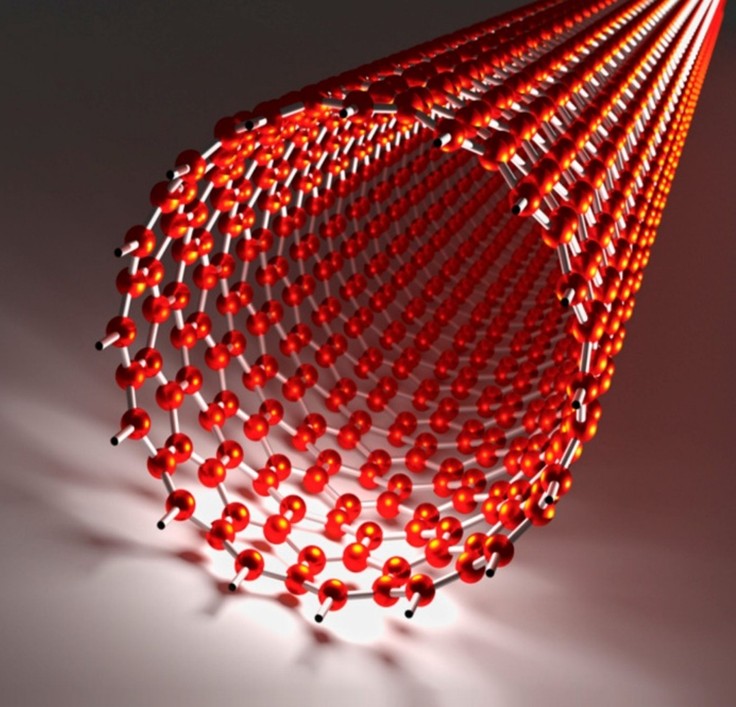
To meet these goals, the consortium introduced carbon nanotubes
(CNT) at different locations in the composite architecture: inside fibres, on
fibre surfaces and in matrices. Their orientations were chosen with the help of
predictive modelling tools. This approach aimed to strengthen mechanical
properties while adding multifunctional benefits. CNTs enabled improved
electrical and thermal conductivity, better fire and wear resistance and
sensing capabilities. In parallel, IMS&CPS advanced closed‑mould processes such as RTM and SQRTM, which offer efficient
alternatives to autoclaves. The project also developed automated or low‑cost 3D preforms to increase part integration and reduce
assembly operations, which account for a significant share of CFRC production
costs.
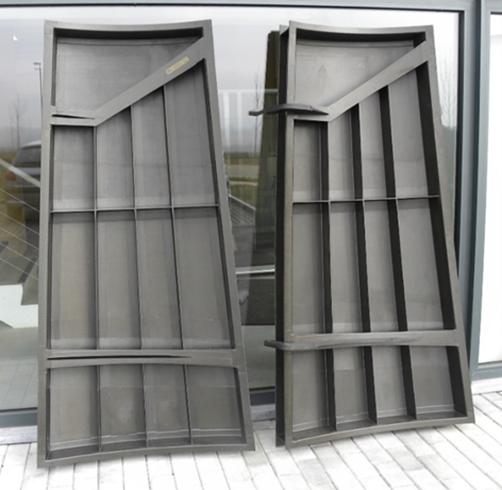
The achievements of the project were demonstrated through two world‑first
components: an Ω‑stiffened curved fuselage panel and a landing‑gear door. Both used CNT‑enhanced resins, prepregs and stitched CNT yarns. A numerical study of a railway side‑wall panel extended the project’s impact beyond aerospace and illustrated the broad potential of the developed solutions.
IMS&CPS – Innovative Material Synergies & Composite Processing Strategies
Period
1/10/2010 - 30/09/2013
Budget
€6.9 million (funded by the European Union’s program
FP7 under grant agreement No. 246243)
Sector
Advanced Mobility & Aerospace
Role
Coordinator (16 partners)
Project Website
https://cordis.europa.eu/project/id/246243